Power Outage Auckland Residents Face Widespread Infrastructure Failure And Disruption
A significant power outage Auckland region residents are grappling with today has led to widespread disruption across major residential and commercial sectors. The loss of electrical supply, which began in the early morning hours, has triggered an urgent mobilization of utility technicians and emergency response units tasked with restoring stability to the regional grid. Local authorities have advised that high-voltage lines experienced a technical malfunction, necessitating an immediate assessment of critical infrastructure to ensure the safety of the public.
As the situation develops, metropolitan grid operators are working alongside regional emergency management to identify the root cause of the failure. Traffic signaling systems, public transportation networks, and communication arrays remain subject to intermittent service interruptions throughout the city. Residents are being encouraged to monitor official channels for updates regarding estimated restoration times and safety advisories for essential services.
Chronology of Initial Grid Failure and Dispatch Responses
Dispatch records indicate that the first reports of electrical instability surfaced at approximately 6:45 a.m. local time. Following these notifications, the local utility provider initiated a secondary circuit verification process to localize the disruption. By 7:30 a.m., several central districts reported a complete loss of power, prompting the escalation of emergency response protocols.
- 6:45 a.m.: Initial surges detected across the primary substation network.
- 7:15 a.m.: Dispatch of field technicians to verify potential hardware failures at key distribution points.
- 7:45 a.m.: Coordination between municipal transit authorities and grid operators to manage traffic safety.
- 8:30 a.m.: Mobilization of heavy-duty equipment for on-site grid repair operations.
Infrastructure Assessment and Technical Restoration Efforts
Engineering teams have been deployed to key substations to conduct a thorough forensic reconstruction of the outage timeline. Preliminary findings suggest that a combination of equipment aging and unexpected load demand may have contributed to the cascade effect observed across the metropolitan area. The restoration strategy involves isolating affected circuits while bypassing damaged transmission nodes to restore service to critical facilities, including hospitals and emergency shelters.
Technical specialists are currently utilizing thermal imaging and remote diagnostic tools to inspect underground cabling and overhead transformer integrity. This high-precision approach is necessary to prevent recurring surges as load is gradually reintroduced to the network. Site leads emphasize that the complexity of the urban power architecture requires a methodical and incremental restoration process to avoid further destabilization of the regional electrical environment.
Metropolitan Transit Impacts and Safety Directives
The impact of the ongoing service disruption has been particularly severe for the regional transit network. Traffic signals in high-density corridors were reported as non-functional, leading to significant delays during the morning commute. Local transit police have been stationed at major intersections to mitigate risks, and motorists are cautioned to treat all darkened signalized intersections as four-way stops to maintain safe passage.
Public safety officials stress that residents should avoid approaching downed power lines or damaged electrical equipment. Any sightings of such hazards must be reported immediately to the local power authority to ensure rapid containment by safety crews.
Operational Coordination Between Municipal Departments
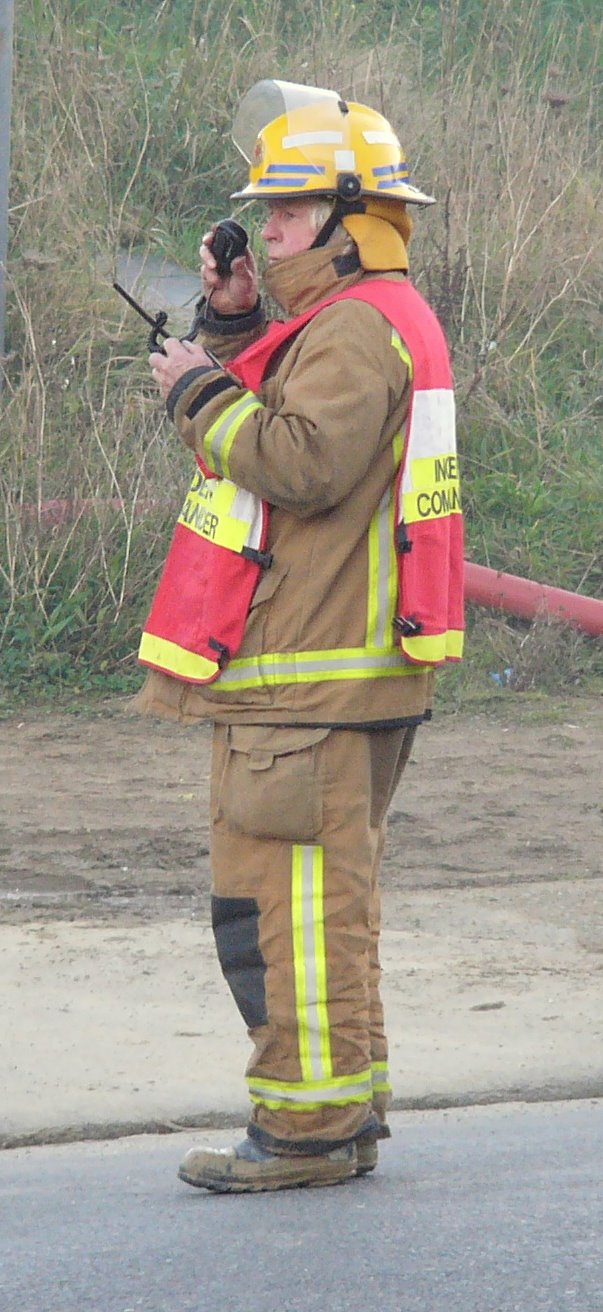
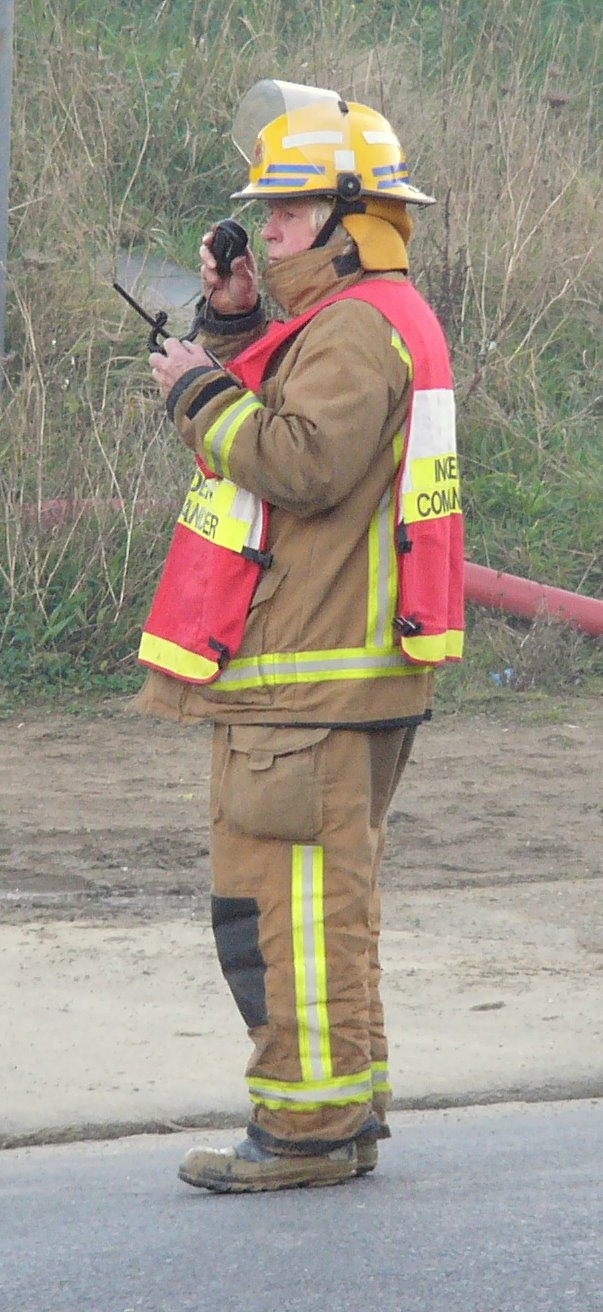
Multi-agency cooperation has been established to handle the surge in emergency inquiries. The collaboration includes joint task forces from the fire service, civil defense, and specialized municipal utility teams. This alignment of operational resources allows for real-time information sharing, ensuring that public safety messaging is both accurate and consistent. Strategic centers are currently monitoring the situation to determine if additional resources are needed from neighboring districts.
Public Communication and Ongoing Recovery Status
The utility provider is committed to maintaining transparency regarding the ongoing repair efforts. Residents are reminded that while full grid stability is the primary objective, there may be temporary fluctuations in supply as crews synchronize the distribution network. Regular briefings are being scheduled throughout the day to inform the community of progress, with detailed information made available via official digital portals and radio broadcasts for those currently lacking internet connectivity.
Continued patience is requested as engineering units navigate the challenging environmental and structural conditions currently impacting the regional power system. The priority remains the swift and safe re-energizing of the residential grid while ensuring that the infrastructure is reinforced against future transient faults.