Fire In Auckland Today Prompts Urgent Emergency Service Response Operation
Emergency response crews were dispatched to a significant incident earlier this morning as reports of a fire in Auckland today began circulating through local dispatch channels. Firefighting units mobilized rapidly following the initial alert, deploying to the affected area to establish a secure perimeter and initiate containment protocols. The response involves specialized teams tasked with managing structural integrity, public safety risks, and the mitigation of secondary hazards commonly associated with urban fire incidents in high-density districts.
As of this update, the scene remains highly active, with multiple emergency vehicles positioned to manage traffic flow and facilitate access for heavy pumping apparatus. Local authorities have requested that commuters and residents exercise caution while moving through the vicinity, noting that road closures may remain in effect to prioritize the ongoing intervention. The current situation demands a coordinated effort from municipal agencies, which are presently operating under high-alert status to ensure the safety of all individuals within the immediate proximity.
Chronology Of The Initial Emergency Dispatch Log
The timeline of events highlights the rapid escalation of emergency services in response to the reports of a fire in Auckland today. Dispatch records indicate that initial calls were received by emergency communication centers at approximately 7:15 a.m. local time, triggering a swift transition from alert status to full-scale deployment. Within eight minutes of the initial notification, frontline units arrived on-site to assess the severity of the situation and request additional support.
- 07:15 a.m.: Emergency dispatch centers receive multiple reports of visible smoke.
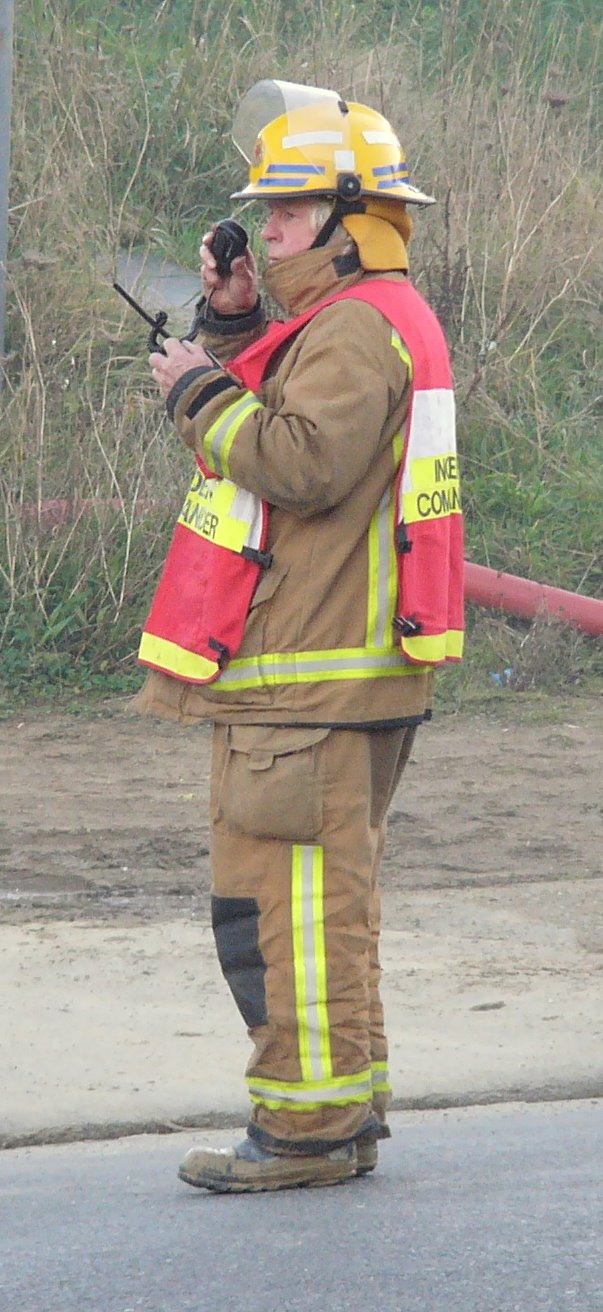
- 07:22 a.m.: First tactical fire unit arrives to establish a primary incident command point.
- 07:35 a.m.: Secondary support teams deployed to secure hazardous material perimeters.
- 07:50 a.m.: Traffic management protocols enforced to divert commuter vehicles from the zone.
The efficiency of the initial deployment phase has been noted by supervisors on the ground, who emphasized the importance of rapid structural containment in preventing the spread of flames to adjacent properties or critical infrastructure within the district.
Site Perimeter And Public Safety Enforcement Protocols
Maintaining a secure site perimeter is currently the highest priority for the responding teams. By restricting public access to the area, personnel can focus on specialized operations without interference, ensuring that hydraulic equipment and personnel safety gear remain unobstructed. These measures, while temporarily impacting local transit, are deemed essential for the successful resolution of the incident and for protecting civilians from potential structural instability or lingering airborne hazards.
Metropolitan authorities are working closely with on-site fire inspectors to assess the perimeter’s stability. Residents and employees in neighboring structures have been provided with safety guidelines as a precautionary measure, though direct evacuations are presently limited to the immediate vicinity of the emergency staging zone.
Operational Coordination And Inter-Agency Communication
The current operation involves a seamless collaboration between various regional agencies. By integrating resources from both fire and rescue departments and municipal civil defense groups, the response remains highly scalable. Command structures are being updated in real-time, allowing for the rotation of personnel and the efficient distribution of technical assets such as aerial ladder trucks and chemical containment units.
Effective multi-agency integration remains the cornerstone of our strategy, allowing for the precise execution of safety protocols while minimizing the broader impact on the surrounding community during this critical incident.
Traffic Management And Commuter Transit Adjustments
Commuters navigating the area should expect delays as traffic management teams oversee controlled detours around the incident site. The complexity of the scene necessitates a buffer zone that impacts arterial roads, requiring long-term traffic redirection until officials deem the area safe for public transit resumption. Drivers are encouraged to check live transit maps and follow instructions from roadside signage and uniformed traffic officers currently managing the congestion patterns.
Ongoing Forensic Site Investigation And Future Assessments
Once the primary threats have been neutralized, the focus will shift towards forensic investigation and technical assessments. Specialists are preparing to document the site, gather evidence, and determine the causal factors of the blaze. This stage of the process is critical for future municipal reporting and ensuring that all relevant safety codes are being met within the district. The findings from this investigation will eventually be presented in a comprehensive incident report, providing insights into the structural resilience and operational performance of the systems engaged during today’s events.