Penrose Fire Today Prompts Major Emergency Response In The Area
Emergency crews were dispatched to the Penrose area earlier today following reports of an active structure fire that necessitated a large-scale response from municipal fire and rescue units. The blaze, which emerged during the mid-morning hours, triggered an immediate deployment of personnel from multiple battalions to secure the site and prevent the potential spread of flames to surrounding infrastructure. As residents and business owners in the vicinity observed the emergency operations, local officials confirmed that the Penrose fire today required coordinated efforts to manage traffic flow, utility safety, and perimeter integrity.
By the time dispatchers received the initial emergency calls, local departments had already begun mobilizing specialized apparatus to the scene. The response has been characterized by high-intensity tactical maneuvers designed to contain the thermal output and mitigate damage to adjacent properties. While the investigation into the origin of the fire remains in its early stages, authorities have focused their immediate efforts on ensuring the area is stabilized before conducting a comprehensive forensic examination of the structural damage.
Tactical Deployment of Local Emergency Response Units
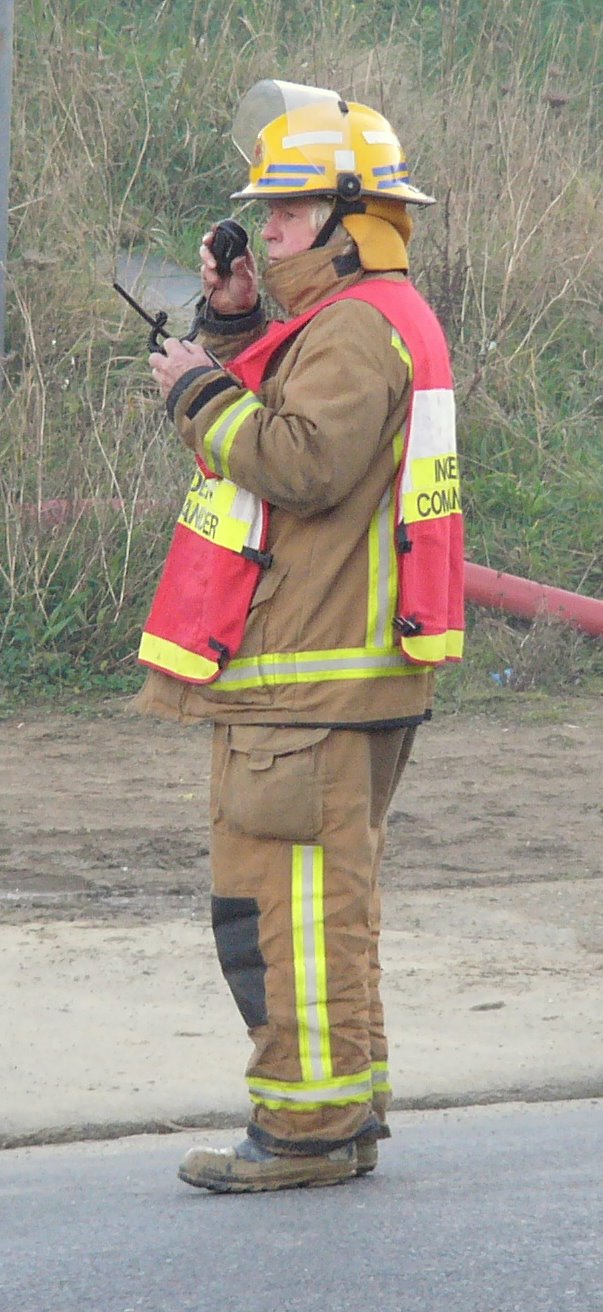
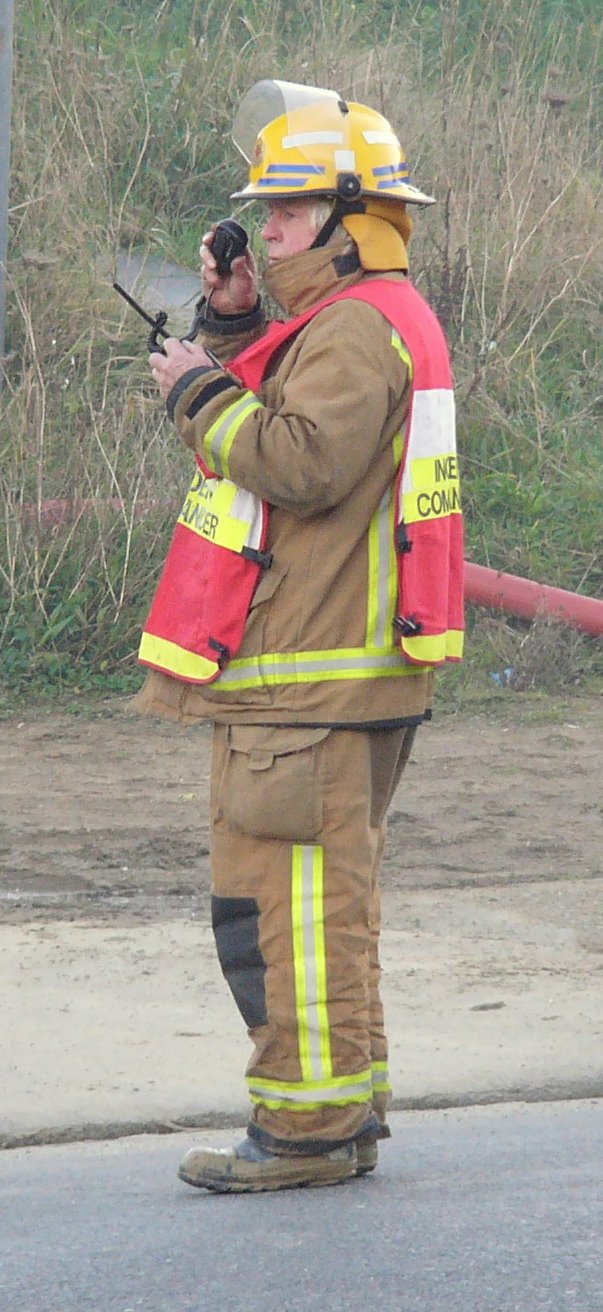
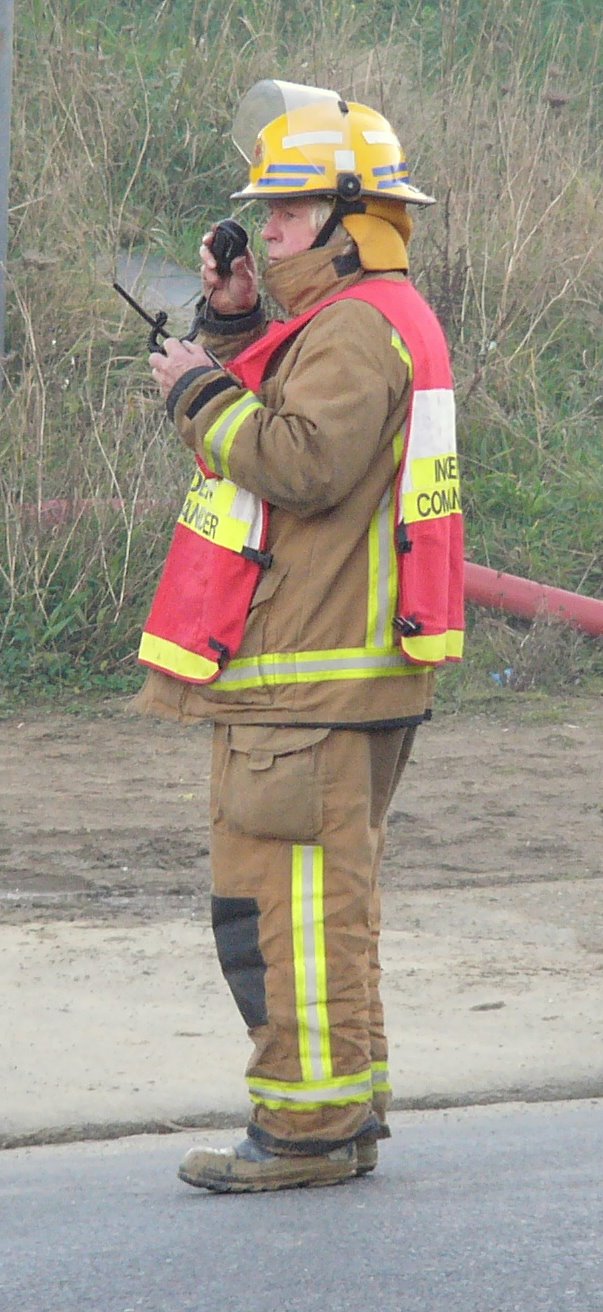
The operational framework during this incident involved a multi-tiered response strategy from local emergency services. Upon arrival at the scene, incident commanders evaluated the site conditions to establish effective containment zones. The following units and specialized groups were involved in the initial phase of the containment operation:
- Battalion Command units responsible for overseeing resource allocation and site safety.
- Heavy rescue squads equipped for structural stabilization and debris management tasks.
- Emergency medical services personnel stationed at the perimeter for immediate triage and site health support.
- Hazardous materials technicians conducting baseline air quality monitoring in the immediate vicinity.
The speed and efficiency of this deployment were critical in preventing what could have been a more extensive incident. Incident logs indicate that the first responders arrived within minutes of the initial 911 dispatch, allowing for a swift transition from initial reconnaissance to active suppression and protection of existing structural assets.
Infrastructure Integrity and Perimeter Security Procedures
Securing the perimeter of the incident site was a primary priority for local law enforcement during the ongoing emergency response. Officers cordoned off several key intersections to ensure that specialized fire apparatus had unobstructed access to the scene. This perimeter management strategy serves several essential functions during high-stakes fire operations:
- Preventing unauthorized civilian access to high-risk zones where structural instability might be present.
- Providing a clear corridor for incoming water tenders and supply vehicles arriving from off-site.
- Allowing investigators to preserve physical evidence before the scene is processed for forensic analysis.
The impact of these closures has ripple effects on local traffic patterns, with municipal agencies issuing temporary guidance for motorists traveling through the district. Officials have requested that the public remain clear of the designated zones to avoid interfering with ongoing suppression efforts.
Preliminary Investigation and Forensic Scene Reconstruction
As the immediate threat from the blaze diminishes, the focus of local authorities has shifted toward technical forensic investigation. Investigators from the local fire marshal’s office are currently performing a meticulous sweep of the interior and exterior to identify potential ignition sources. This process involves a detailed scene reconstruction, where experts analyze debris patterns, thermal marks, and electrical system diagnostics to establish a clear timeline of events.
The agency responsible for the inquiry emphasized that determining the root cause requires a methodical approach, often involving the analysis of building blueprints, past maintenance records, and witness statements from those who were present at the onset of the emergency. No official conclusions regarding the cause have been released, and the department expects the technical analysis to continue throughout the coming days.
Community Impact and Public Safety Advisories
Local government agencies continue to monitor the long-term impact of the incident on the neighborhood infrastructure. While the immediate fire suppression phase has concluded, officials remain on-site to monitor for hot spots that could potentially reignite. Public safety remain the guiding principle for all involved agencies, as they work to restore normal municipal functions to the area.
Residents are advised to continue monitoring official channels for updates regarding road closures or potential structural warnings. The local municipal government has committed to providing factual, verified information as the investigation progresses, ensuring that the community remains informed without compromising the integrity of the ongoing inquiry.
Operational Status and Recovery Timeline
Recovery efforts follow a structured timeline designed to return the affected site to a state of safety. Following the completion of the forensic investigation, municipal cleanup crews will coordinate with property owners to handle site remediation, including the removal of fire-damaged debris and the restoration of essential utilities that may have been disrupted during the initial emergency response. This phased recovery approach is intended to minimize further disruption to the surrounding commercial and residential areas while ensuring that all safety protocols are strictly upheld.