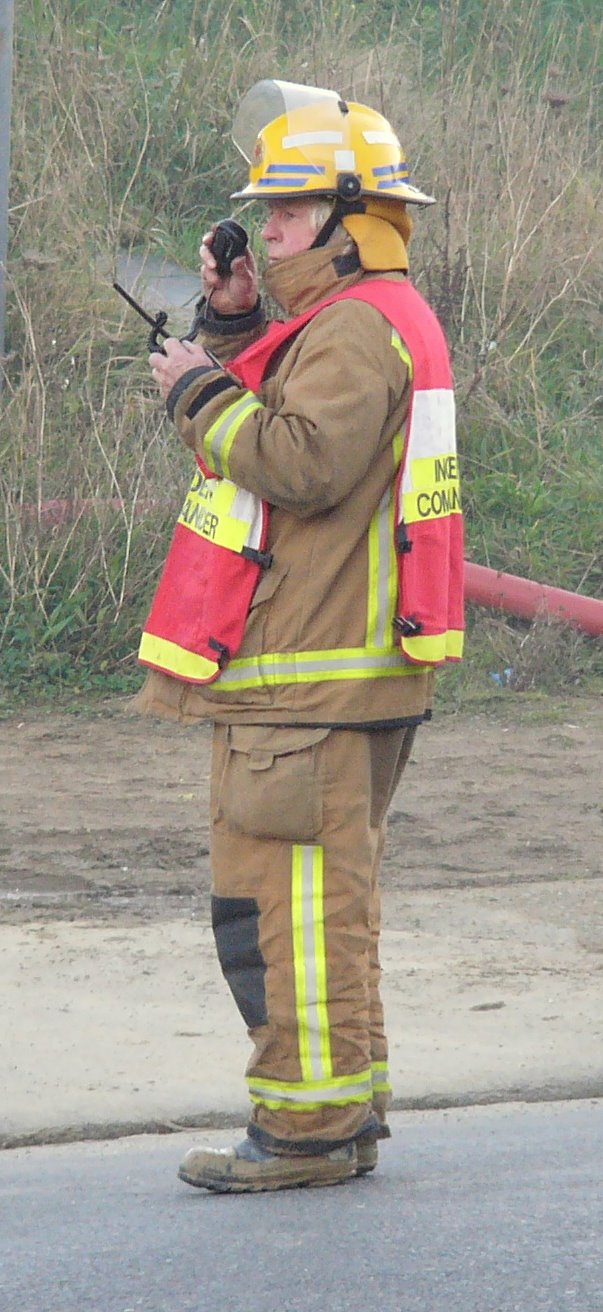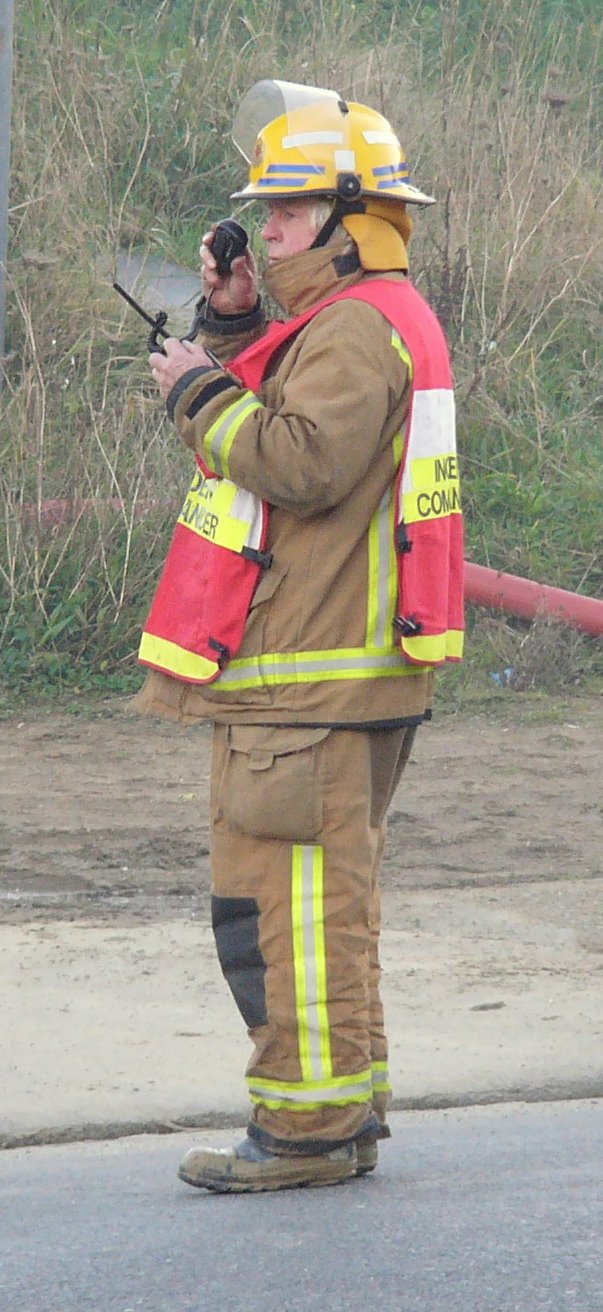
Fire In Auckland Prompts Major Emergency Response Across Central District
Emergency services have been deployed in force following a significant fire in Auckland that broke out during the early hours of the morning. Dispatch logs indicate that the first reports reached authorities at approximately 4:15 a.m. local time, prompting an immediate mobilization of fire suppression units and auxiliary medical teams to the affected site. The incident has resulted in the establishment of a substantial security perimeter, forcing local officials to implement temporary transit diversions to protect both the public and responding crews on the ground.
The situation remains fluid as command officers coordinate with municipal partners to evaluate the structural integrity of the site and identify the origin point of the blaze. While initial assessments are ongoing, fire investigators have prioritized clearing the immediate area to ensure that no bystanders remain within the hazard zone. This coordinated effort involves specialized units capable of managing high-intensity industrial or commercial fires, ensuring that the surrounding environment is effectively neutralized before recovery operations can begin.
Dispatch Chronology and Initial Emergency Response
The sequence of events began shortly after the initial 111 emergency call, which prompted an escalated response from central fire stations. Dispatch records confirm that four primary pump trucks were on the scene within seven minutes of the first alert, followed quickly by specialized aerial equipment designed for high-rise or large-scale structural suppression. The following timeline outlines the rapid escalation of emergency resources:
- 04:15 a.m.: Primary emergency dispatch receives initial notification of smoke and active flames.
- 04:22 a.m.: First responding fire suppression engines arrive on-site and initiate containment protocols.
- 04:45 a.m.: Command established; additional water support units requested to manage intensity.
- 05:10 a.m.: Site perimeter expanded to accommodate specialized hazardous materials mitigation teams.
Strategic Perimeter Security and Public Safety Measures
To facilitate a safe operating environment for firefighters, police officers have established a robust cordon encompassing three city blocks surrounding the incident location. Access to adjacent transit corridors has been restricted, with public transport routes experiencing significant delays due to the necessary detours. Commuters are being advised to seek alternative travel paths, as the road closures are expected to remain in effect while crews perform critical monitoring and site cleanup procedures.
Public safety officials have emphasized the importance of staying clear of the operational zone. The presence of smoke and potential structural instability poses risks to those who venture too close to the perimeter. Municipal representatives are continuously updating traffic management systems to provide real-time guidance for those navigating the central business district during this period of restricted access.
Forensic Examination and Site Structural Assessment
Once the active phase of the suppression effort concludes, the focus will transition toward a thorough forensic examination of the scene. Specialists in fire investigation are already on standby, awaiting clearance from incident commanders to enter the site. Their primary objective is to document the environmental impact and determine the root cause of the blaze through a systematic review of electrical systems, mechanical logs, and structural debris patterns. This process is essential for regulatory reporting and ensuring that building safety codes are strictly enforced moving forward.
Multi-Agency Coordination and Resource Allocation
The successful management of this incident relies on the seamless integration of various municipal services. Beyond the fire department, the response includes collaboration between local utility providers, who are working to isolate compromised electrical grids and gas lines to prevent further hazards. Medical personnel remain stationed at a designated triage point, providing monitoring for responders exposed to smoke and exhaustion during the grueling containment efforts. The depth of this inter-agency cooperation reflects the city’s established protocols for high-priority urban emergencies, ensuring that all aspects of community protection are handled with professional rigor.
Community Impact and Long-term Recovery Outlook
As the incident transitions from active fire suppression to investigative phases, city planners will begin to evaluate the long-term impacts on the immediate neighborhood. This includes auditing infrastructure damage and coordinating with local businesses regarding the timeline for reopening the affected zone. Updates regarding environmental air quality and the status of local utilities will be disseminated through official municipal channels as data becomes available. Citizens are urged to rely only on verified statements from the Auckland Fire and Emergency services regarding the progress of the site restoration.