Pleasant Grove Accident Today Causes Significant Traffic Delays For Commuters
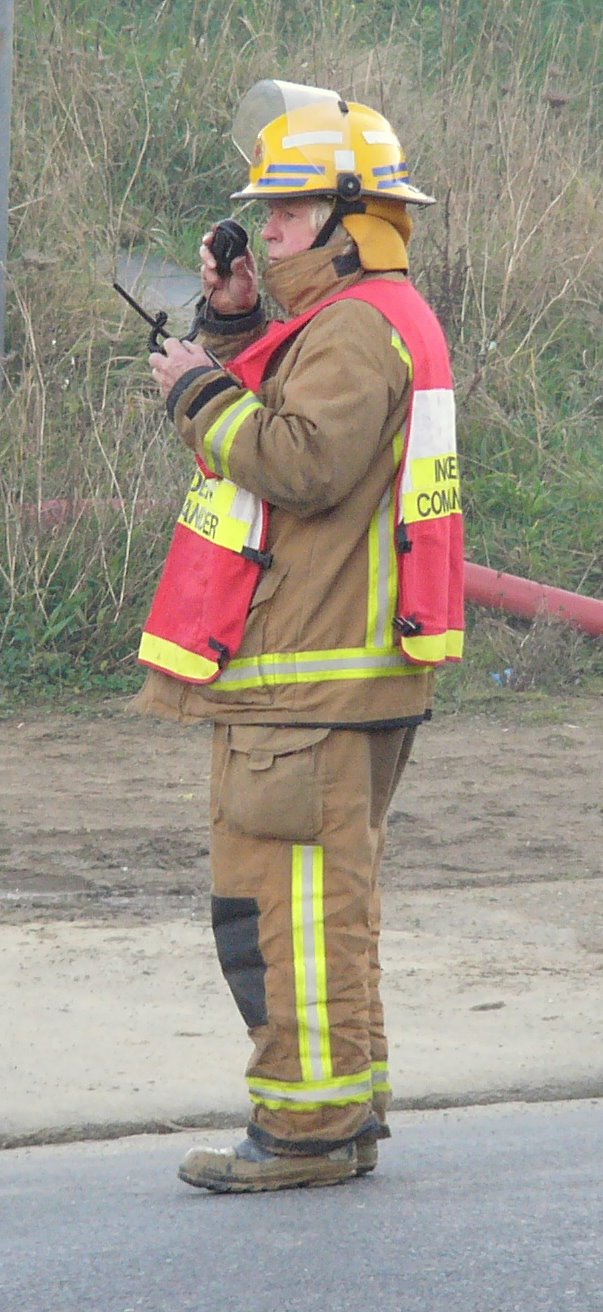
Local authorities were dispatched to the scene of a major motor vehicle collision earlier this morning, leading to an extensive emergency response and significant traffic disruptions in the area. The pleasant grove accident today occurred at a high-traffic intersection, drawing immediate intervention from regional police, fire, and medical teams who worked to secure the perimeter and provide essential aid to those involved. As the investigation into the sequence of events continues, officials have requested that motorists avoid the affected corridor to allow specialized cleanup crews to clear debris and reconstruct the scene.
First responders arrived at the location within minutes of the initial 911 dispatch, effectively closing several arterial lanes to facilitate safe medical assessment and vehicle extraction. The timing of the incident during morning peak hours has resulted in cascading delays for residents traveling through the district. Emergency management officials are currently monitoring the situation to determine the timeline for a full roadway reopening while prioritizing the safety of both the public and responding crews.
Deployment Log of Emergency Response Units
Dispatch records indicate that multiple units were mobilized shortly after the incident was reported to local authorities. The coordination between various departments ensured that hazardous materials, if present, were contained and that medical resources were positioned for immediate patient transport. The following units were confirmed on the scene during the initial response phase:
- Battalion 4 Fire and Rescue squads for primary vehicle stabilization.
- Traffic Division units tasked with perimeter security and crowd management.
- Emergency medical services providing on-site triage and patient stabilization.
- State transportation officials coordinating the diversion of heavy traffic.
Forensic Reconstruction and Traffic Division Analysis
The specialized collision investigation unit has established a detailed grid around the site to conduct a thorough forensic analysis of the physical evidence. By utilizing laser measurement tools and drone surveillance, investigators aim to establish a precise timeline of the mechanical and environmental factors that contributed to the collision. This technical approach is critical in determining the chain of events that led to the incident, ensuring that all findings are documented with professional accuracy before the roadway is surrendered back to municipal transportation maintenance teams.
Current Traffic Impact and Regional Detour Routes
Commuters navigating the area have been advised to utilize alternate routes to bypass the incident site. Traffic flow is currently restricted, with significant bottlenecks reported on secondary roads that feed into the main corridor. Local transit authorities are distributing real-time updates regarding lane closures and signal adjustments intended to mitigate the impact on local commerce and public travel. Motorists are urged to follow marked detours and maintain reduced speeds as they approach the active zone, where officials remain present to oversee the clearance process.
Municipal Safety Advisory and Citizen Guidance
In the wake of the incident, municipal officials have issued a formal safety advisory encouraging motorists to practice heightened vigilance during peak travel periods. The complexity of the road network in the area requires constant driver awareness, particularly at intersections where visibility and flow volume fluctuate. Public safety departments have emphasized that adherence to temporary traffic signs and the instructions of field officers is mandatory for the preservation of order and the protection of all road users. Additional information regarding the status of the investigation will be disseminated as formal reports are finalized by department heads.
Coordination Between Regional Emergency Services
The successful containment of the site is attributed to the seamless integration of inter-agency protocols. The collaborative effort between the police and the municipal emergency medical response teams exemplifies the standard operating procedures required for incidents of this nature. By maintaining open lines of communication, the involved agencies ensured that no overlapping efforts hindered the efficiency of the response. As the cleanup phase progresses, the focus shifts toward a controlled restoration of the roadway, ensuring that the infrastructure meets safety standards before commuters resume normal travel patterns throughout the regional transit grid.